Top Benefits of Cocopeat for Hydroponics & Greenhouse Farming
Premium cocopeat growing media solutions for sustainable agriculture, hydroponics, greenhouse cultivation, and commercial crop production.
Cocopeat is one of the best growing media used in hydroponics, greenhouse farming, horticulture, and commercial agriculture due to its excellent water retention, root aeration, drainage, and eco-friendly properties. Consarc Exports manufactures and supplies premium washed and buffered cocopeat products in Sri Lanka for growers worldwide.
Sri Lankan Coco Products, Naturally Pure and Sustainably Sourced
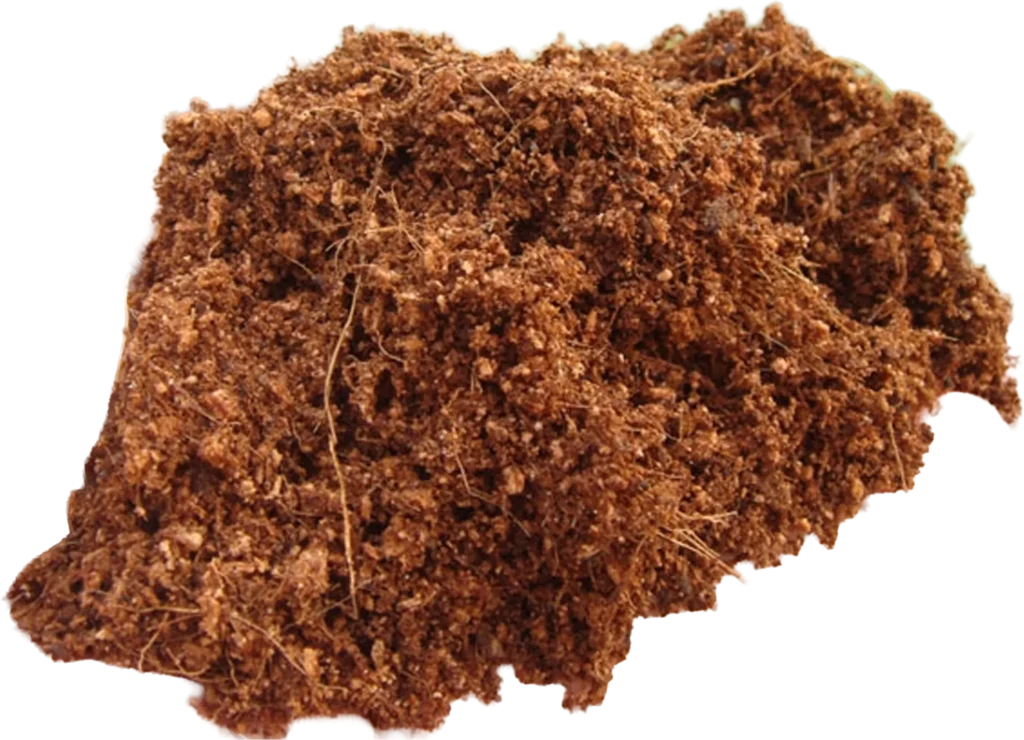
Cocopeat, also known as coir pith or coco coir, is a natural growing medium made from coconut husks. It is widely used in hydroponics, greenhouse cultivation, nursery propagation, floriculture, and commercial farming because of its ability to retain water while maintaining proper oxygen flow around plant roots.
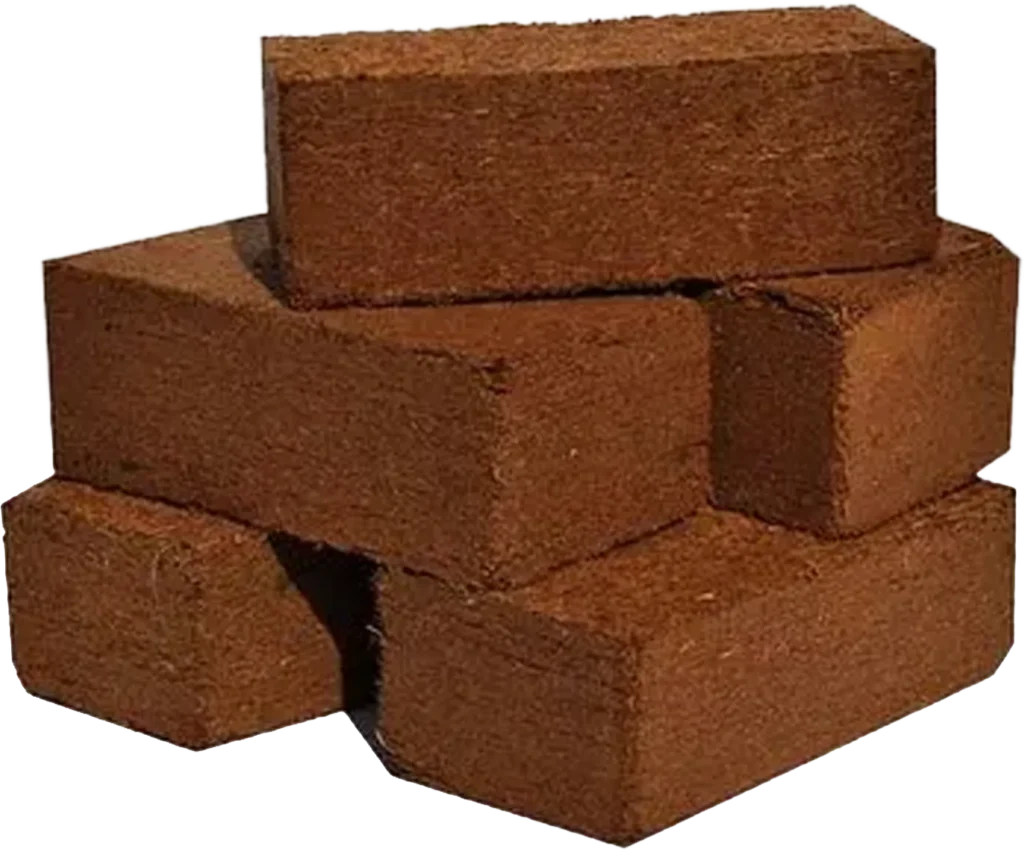
Cocopeat is processed into:
Cocopeat grow bags
Cocopeat blocks
Buffered cocopeat
Washed cocopeat
Coir propagation discs
Hydroponic growing substrates
Premium cocopeat products from Sri Lanka are highly preferred by greenhouse growers and hydroponic farms worldwide due to their superior quality and sustainability.
Benefits of Cocopeat for Modern Agriculture
1
Excellent Water Retention Capacity
One of the biggest benefits of cocopeat is its excellent water retention capability. Cocopeat can absorb and hold large amounts of water while still maintaining proper drainage and aeration.
This helps:
Reduce irrigation frequency
Improve moisture consistency
Support healthy root development
Increase crop productivity
Cocopeat is ideal for hydroponic systems and greenhouse farming where efficient water management is essential.
2
Superior Root Aeration
Cocopeat has a porous structure that improves airflow around plant roots. Proper root aeration encourages stronger root systems, faster nutrient uptake, and healthier crop growth.
This makes cocopeat highly suitable for:
Hydroponic cultivation
Greenhouse vegetables
Strawberry farming
Blueberry cultivation
Tomato production
3
Ideal Growing Medium for Hydroponics
Buffered cocopeat is one of the most popular hydroponic growing media used by commercial growers worldwide. It provides stable pH and EC levels required for professional hydroponic farming.
Benefits for Hydroponics
Better nutrient absorption
Stable root zone conditions
Improved crop consistency
Reduced risk of root stress
Cleaner cultivation environment
4
Eco-Friendly & Sustainable Growing Medium
Cocopeat is produced from renewable coconut husks, making it a sustainable alternative to peat moss and traditional soil-based growing media.
Using cocopeat helps:
Reduce environmental impact
Support sustainable agriculture
Minimize waste from coconut processing
Promote eco-friendly farming practices
5
Excellent Drainage & Moisture Balance
Cocopeat provides the perfect balance between water retention and drainage. This reduces the risk of waterlogging and root diseases while maintaining ideal moisture conditions for crops.
Proper drainage is especially important for:
Greenhouse farming
Hydroponics
Nursery propagation
Commercial horticulture
6
Excellent Drainage & Moisture Balance
High-quality cocopeat can be reused for multiple growing cycles with proper treatment and management. This makes cocopeat a cost-effective solution for greenhouse growers and commercial agricultural operations.
7
Reduced Risk of Root Diseases
Cocopeat improves root health by maintaining balanced moisture and oxygen levels. Its drainage and aeration properties help reduce fungal infections and root-related diseases in commercial crops.
Agricultural Applications of Cocopeat
Cocopeat improves root health by maintaining balanced moisture and oxygen levels. Its drainage and aeration properties help reduce fungal infections and root-related diseases in commercial crops.
Hydroponics
Used as a premium hydroponic growing medium for vegetables, herbs, and soft fruits.
Greenhouse Farming
Ideal for greenhouse crop cultivation due to its stable moisture and aeration properties.
Strawberry Cultivation
Widely used in cocopeat grow bags for commercial strawberry production.
Vegetable Farming
Suitable for tomatoes, cucumbers, peppers, lettuce, and other greenhouse vegetables.
Floriculture
Supports flower cultivation with improved root growth and moisture control.
Nursery Propagation
Used for seed germination and propagation due to its lightweight and sterile structure.
Premium Cocopeat Supplier from Sri Lanka
Consarc Exports is a leading manufacturer and exporter of premium cocopeat growing media products in Sri Lanka. We supply washed cocopeat, buffered cocopeat, coir grow bags, and hydroponic substrates for commercial agriculture and greenhouse farming worldwide.